

13 +
Experience
Who We Are
Medical Laser Innovations: Celebrating IMDSL's 12-Years Journey
In 12 years, IMDSL has transformed from humble roots in dental accessories to a trailblazer in medical laser technology across India. With over 8000 Medical Laser installations in 4000 hospitals, our journey expanded into Laser Dentistry, Laser Proctology, ENT, Cosmetic Gynecology, Ortho, and now into Urology. Our commitment to advancing healthcare has been unwavering with Dental Lasers, Proctology Lasers and more.
Today, IMDSL stands for procedure-first innovation, Indian-centric clinical protocols, and long-term doctor support—not just devices. The mission remains clear: build laser ecosystems that improve outcomes, adoption, and trust in everyday clinical practice across India.

Precision
Clinical Training
Multi-Specialty
Trusted
Our Speciality
Welcome to the world of lasers- Soft Tissue Diode Lasers are easy to use and give tactile sensation while working.

Best-in-class clinical support with timely guidance, expert assistance, and dependable on-ground responsiveness.

Versatile Wavelength of Lasers for multiple procedures Versatile Wavelength

Preset Parameters are available according to Indian Patients.
Calibration for complete solution of dental & general surgery.
Diode laser for precise soft tissue surgery without any associated damage of tissue.
It penetrates deeply into target tissues and stimulates blood microcirculation.
9000 +
INSTALLATIONS
4500
HOSPITALS
10000
DOCTORS
100 %
DOCTOR'S SATISFACTION
IMDSL Lasers
Product & Feature Gallery
Proctology, ENT Urology and Physiotherapy and providing excellent
results to our Doctors.
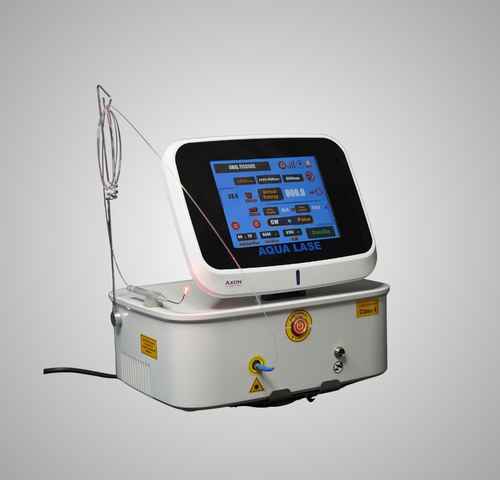
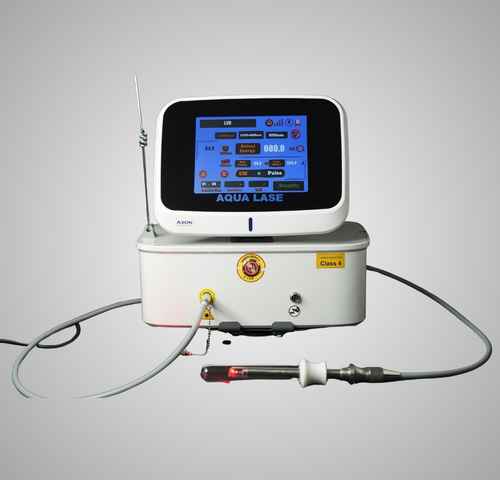
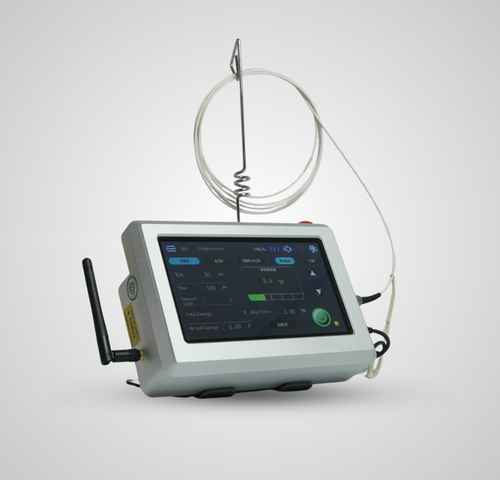
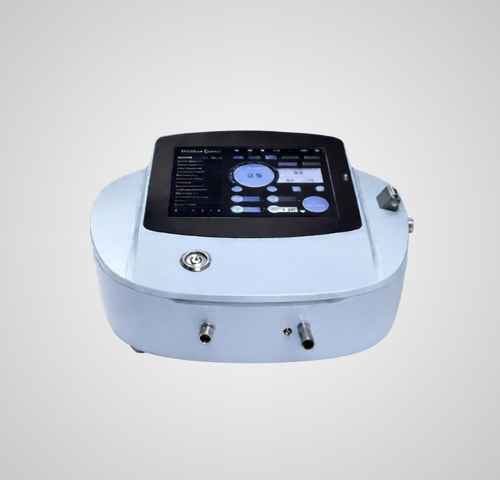
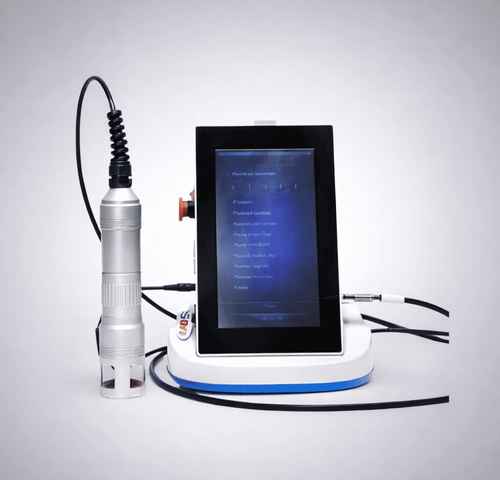

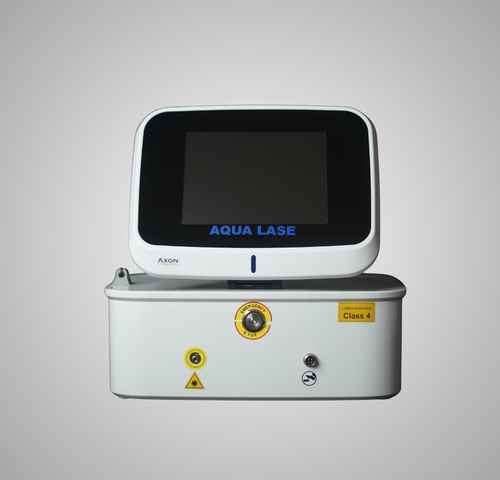
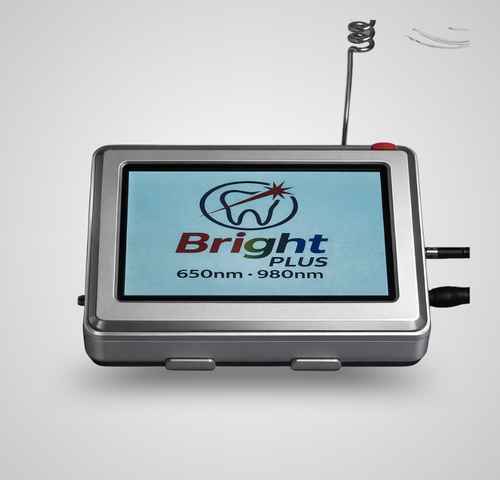


LASER SOLUTIONS
IMDSL has developed the lasers that are useful in Dentistry, Proctology, ENT and Physiotherapy, Orthopedic, Cosmetic Gynecology , Urology and other healthcare procedures. Our Lasers are performing and setting up a benchmark of 100% satisfaction.
Dental Lasers
Laser In Proctology
Laser in E.N.T.
Physiotherapy Lasers
Lasers for PLDD (Orthopedic)
Cosmetic Gynecology
High Quality Lasers
All Important Accessories
Quick Service Response
Structured Training
our Work
LASER TREATMENTS
be done effectively with lasers and are stating clearly on
Why Should You Invest in Laser!

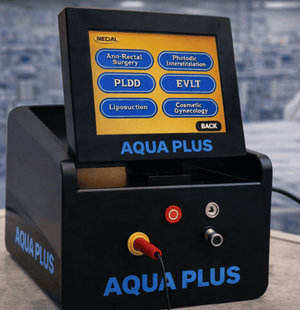
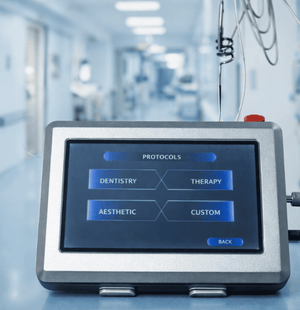

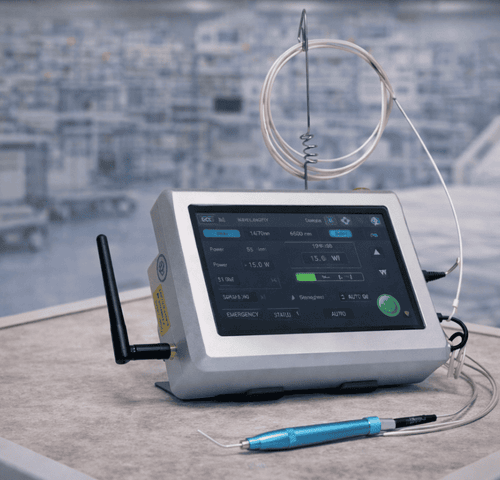
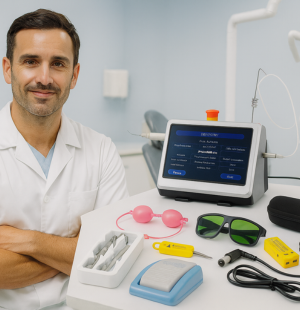
LASER UPDATES
LASER UPDATES
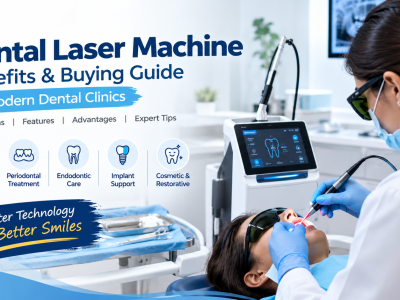
Dental Laser Machine: Benefits & Buying Guide | IMDSL
Dental Laser Machine: Features, Applications, Benefits & Buying Guide for Dentists
The advancement of modern dentistry has introduced innovative technologies that help dental professionals improve precision, treatment control, and clinical efficiency. A Dental Laser Machine is one such technology that supports selected dental procedures through the controlled delivery of laser energy to oral tissues.
Today, dentists and dental clinics are increasingly exploring laser-assisted procedures as part of modern dental practice. From soft-tissue surgery and gingival contouring to selected periodontal applications, dental lasers can complement conventional treatment techniques when used appropriately.
However, choosing the right equipment requires more than comparing prices or machine specifications. Dental professionals must understand laser wavelengths, clinical applications, operating modes, safety features, training requirements, and after-sales support before making an investment.
In this comprehensive guide, we will explore the working principles, applications, benefits, and important considerations for selecting a Dental Laser Machine for a modern dental clinic.
What Is a Dental Laser Machine?
A Dental Laser Machine is a specialized medical device that uses concentrated light energy to perform specific dental procedures. Depending on the wavelength, design, and approved indications, laser systems may be suitable for soft-tissue procedures, selected hard-tissue applications, or other specialized dental treatments.
Unlike conventional instruments that rely on mechanical cutting or contact, dental lasers deliver optical energy to targeted tissues. The resulting tissue interaction depends on the wavelength, power settings, exposure duration, and characteristics of the treatment area.
Different laser technologies are designed for different clinical purposes. Therefore, dentists should select equipment based on their intended procedures rather than assuming that one machine can perform every dental treatment.
How Does a Dental Laser Machine Work?
A dental laser generates light energy using a specific active medium. This energy is delivered to the treatment area through a compatible handpiece, optical fiber, or other delivery system.
When the laser interacts with oral tissues, its effects depend on how the tissue absorbs the particular wavelength.
Important operating factors include:
- Wavelength: Determines how the laser energy interacts with tissue components.
- Output power: Influences the amount of energy delivered.
- Emission mode: Continuous-wave and pulsed modes can produce different tissue effects.
- Exposure duration: Affects the total energy delivered to the treatment area.
- Delivery system: Influences accessibility, handling, and energy delivery.
- Clinical protocol: Determines how the equipment should be used for a specific procedure.
Understanding these factors helps dental professionals select appropriate settings and follow safe, procedure-specific treatment protocols.
Types of Dental Laser Technology
Different laser systems offer different capabilities. Understanding the main types can help dentists identify equipment that matches their clinical requirements.
1. Diode Dental Laser
Diode lasers are commonly used for selected soft-tissue dental procedures. Depending on the device and its approved indications, applications may include gingival contouring, frenectomy, gingivectomy, and other soft-tissue procedures.
Diode systems are available in different wavelengths and configurations. Their suitability depends on the intended application, output power, delivery system, and clinical evidence supporting their use.
2. Er Laser
Er lasers operate at a wavelength strongly absorbed by water. Depending on the system, they may be used for selected hard-tissue and soft-tissue applications.
Dentists should verify the specific device’s indications and operating requirements before incorporating it into clinical practice.
3. Nd Laser
Nd lasers operate at approximately 1064 nm and may be used in selected soft-tissue and periodontal applications. Their suitability depends on the clinical protocol and the device’s approved indications.
4. CO₂ Laser
CO₂ lasers are strongly absorbed by water and are primarily associated with soft-tissue procedures. They may be considered for selected oral surgical applications where the particular device is appropriate.
Important: These technologies are not interchangeable. The right system depends on the procedure, clinical requirements, device specifications, and professional training.
Major Applications of a Dental Laser Machine
A modern dental practice may use laser technology for selected procedures across different areas of dentistry.
Soft-Tissue Dental Surgery
Certain laser systems can assist with procedures involving oral soft tissues. Depending on the device, these applications may include gingivectomy, gingivoplasty, frenectomy, and tissue contouring.
Laser-assisted techniques can provide controlled tissue interaction and may help with bleeding management in appropriate cases. However, outcomes depend on the procedure, equipment, settings, and clinician expertise.
Periodontal Treatment
Periodontal care focuses on maintaining the health of the gums and supporting structures of the teeth.
Selected dental laser systems may be incorporated into periodontal treatment protocols as an adjunct to conventional care. They should not automatically be considered a replacement for established periodontal treatments, professional cleaning, or other clinically indicated procedures.
Endodontic Applications
Endodontics involves the diagnosis and treatment of diseases affecting the dental pulp and root canal system.
Some laser systems can be used as an adjunct within specific endodontic protocols. Their application must be based on the device’s capabilities, relevant evidence, and established clinical procedures.
Dental Implant Procedures
Laser technology may support selected soft-tissue procedures around dental implants. Dentists must consider the interaction between laser energy, surrounding tissues, and implant components.
Appropriate training and manufacturer guidance are essential to minimise the risk of thermal damage.
Cosmetic and Restorative Dentistry
Depending on the technology, selected dental laser systems may be incorporated into procedures involving gingival contouring and certain cosmetic dental treatments.
Dentists should assess whether the equipment is appropriate for the intended procedure and whether conventional or alternative technologies may be more suitable.
Benefits of Using a Dental Laser Machine
When appropriately selected and used by trained professionals, dental lasers can offer several potential advantages.
1. Controlled Tissue Interaction
Laser energy can be directed towards a specific treatment area. This may be useful for procedures requiring controlled soft-tissue removal or reshaping.
2. Bleeding Management
Some laser systems produce coagulation effects that may help control bleeding during selected procedures, potentially improving visibility in the treatment area.
3. Potential Patient Comfort Benefits
Certain laser-assisted procedures may involve less mechanical contact and may improve comfort in selected situations. However, pain levels, anaesthesia requirements, and recovery experiences vary from patient to patient.
4. Support for Modern Clinical Workflows
Compact laser systems and compatible delivery accessories can help practices integrate selected laser-assisted procedures into their existing workflows.
5. Expanded Treatment Options
Appropriate equipment may allow a clinic to offer additional procedures within the dentist’s professional scope, training, and the device’s approved indications.
These benefits are not guaranteed for every patient or procedure. Dentists should evaluate clinical evidence and discuss suitable treatment options with patients.
How to Choose the Right Dental Laser Machine for Your Clinic
Investing in dental laser technology requires a careful assessment of clinical requirements, equipment specifications, and long-term operating costs.
1. Identify Your Clinical Requirements
Begin by listing the procedures you intend to perform. A dentist focusing on soft-tissue surgery may require different equipment from a practitioner seeking hard-tissue laser applications.
Choose the technology according to the actual needs of your practice.
2. Check the Wavelength and Power Specifications
Review the wavelength, available output power, operating modes, and recommended clinical applications.
Do not compare machines on power ratings alone. Tissue interaction, delivery accessories, operating protocols, and safety features are equally important.
3. Evaluate the Handpiece and Accessories
The handpiece, optical fiber, and associated accessories influence handling and accessibility during procedures.
Ask the supplier about compatible accessories, replacement requirements, cleaning instructions, and availability of consumables.
4. Prioritise Laser Safety
A professional laser system should be supported by clear operating instructions and appropriate safety measures.
Confirm the protective eyewear requirements for the specific wavelength, along with any necessary warning signs, access controls, and equipment safety procedures.
5. Check Training and Clinical Guidance
Training is an important part of introducing laser technology into a dental practice.
Before purchasing, ask about equipment operation, clinical protocols, safety practices, installation, and ongoing technical assistance.
6. Consider After-Sales Support
Reliable service can be important for maintaining equipment availability and managing technical issues.
Evaluate the supplier’s service response, maintenance arrangements, warranty coverage, calibration requirements, and availability of replacement accessories.
7. Compare the Total Cost of Ownership
The purchase price is only one part of the overall investment.
Consider installation, training, consumables, maintenance, servicing, accessories, and other recurring expenses. This provides a more realistic understanding of the long-term cost.
Why Dental Professionals Should Explore IMDSL Laser Solutions
Choosing a medical laser supplier is an important decision for dentists and healthcare professionals. In addition to the equipment itself, clinics should consider technical support, product documentation, training, servicing, and the availability of appropriate accessories.
IMDSL, or Intense Medical & Dental System Pvt. Ltd., provides medical laser technology solutions for multiple clinical specialties, including dentistry, proctology, ENT, urology, physiotherapy, orthopaedics, and cosmetic gynecology.
The company highlights clinical training, technical assistance, and support for integrating laser technology into professional practice.
Dental professionals evaluating a Dental Laser Machine can explore IMDSL’s available solutions and discuss their intended procedures, equipment requirements, and support needs with the company.
Before selecting a particular system, request the relevant technical specifications, intended-use documentation, applicable regulatory details, warranty information, and training arrangements.
To learn more, visit the official website: https://imdsl.co.in/
Common Mistakes to Avoid When Purchasing Dental Laser Equipment
A well-informed purchase can help dental professionals avoid unnecessary expenses and unsuitable equipment.
Choosing Only on Price: A lower purchase price does not necessarily mean better long-term value. Compare specifications, accessories, servicing, and training.
Ignoring Intended Clinical Use: A system suitable for one procedure may not be appropriate for another. Confirm the device’s indications before purchasing.
Overlooking Safety Requirements: Laser safety procedures and wavelength-appropriate protective equipment are essential.
Neglecting Training: Equipment should be used only by appropriately trained professionals following the manufacturer’s instructions.
Assuming All Laser Systems Are the Same: Different wavelengths and configurations produce different tissue interactions and clinical capabilities.
Failing to Check Service Support: Maintenance, troubleshooting, and accessory availability should be considered before making a final decision.
Frequently Asked Questions
1. What is a Dental Laser Machine used for?
A Dental Laser Machine uses concentrated light energy for selected dental procedures. Depending on its specifications and approved indications, it may support soft-tissue surgery, gingival contouring, and selected periodontal or other dental applications.
2. Which type of dental laser is best for a dental clinic?
There is no single best laser for every clinic. The appropriate system depends on the procedures performed, the required wavelength, clinical evidence, equipment specifications, and the dentist’s training.
3. Is a diode dental laser suitable for soft-tissue procedures?
Diode lasers are commonly used for selected soft-tissue applications. The suitability of a particular device depends on its specifications, intended use, and the procedure being performed.
4. What should dentists check before purchasing a dental laser?
Dentists should review wavelength, power settings, operating modes, accessories, safety requirements, product documentation, training, warranty, servicing, and total ownership costs.
5. Does a dental laser replace conventional dental instruments?
No. Dental lasers complement conventional instruments in selected situations. Many procedures still require traditional instruments or other specialised equipment.
6. Why is training important when using dental lasers?
Training helps clinicians understand device operation, tissue interaction, treatment parameters, safety precautions, and procedure-specific protocols. It is essential for responsible clinical use.
7. Where can dentists explore medical laser solutions in India?
Dentists can visit the IMDSL website at https://imdsl.co.in/ to explore available laser technology solutions and contact the company for product information and professional support.
Conclusion
Dental laser technology is becoming an important area of interest for clinics seeking to evaluate modern treatment options. However, choosing suitable equipment requires a clear understanding of clinical applications, wavelength characteristics, safety requirements, training, and long-term support.
A Dental Laser Machine should be selected according to the clinic’s actual needs rather than price or specifications alone. Careful evaluation can help dental professionals make informed decisions and integrate appropriate technology into their clinical workflows.
IMDSL offers medical laser solutions for dental and other healthcare specialties. Visit https://imdsl.co.in/ to explore its portfolio and contact the team for further information about available systems and support services.
Diode Laser Dental Technology: Benefits & Uses | IMDSL
Diode Laser Dental Technology: Benefits, Applications, and Advantages in Modern Dentistry
Introduction to Diode Laser Dental Technology
Modern dentistry is continuously evolving with advanced technologies that help dental professionals improve treatment precision, patient comfort, and clinical efficiency. One of the most valuable innovations in this field is diode laser dental technology. It is increasingly used in dental clinics for soft-tissue procedures, periodontal therapy, bacterial reduction, and several other dental applications.
A diode laser dental system uses concentrated light energy to interact with oral tissues. Depending on the wavelength, power settings, treatment objective, and clinical protocol, dentists can use this technology for various procedures involving the gums and other soft tissues. It offers an alternative or complementary approach to conventional dental instruments in selected clinical situations.
For dental professionals looking to upgrade their practice with modern equipment, understanding diode laser technology is essential. IMDSL provides information and solutions related to advanced dental equipment to help dental professionals explore modern treatment technologies and make informed purchasing decisions.
In this comprehensive guide, we will discuss what a diode laser dental system is, how it works, its applications, benefits, safety considerations, and factors to consider when selecting a suitable device.
What Is a Diode Laser Dental System?
A diode laser dental system is a dental device that generates laser light using semiconductor technology. This light energy interacts with targeted oral tissues and can be used for specific soft-tissue procedures and other applications supported by the device’s wavelength and approved indications.
Dental diode lasers commonly operate at wavelengths in the near-infrared range, including approximately 810 nm, 940 nm, and 980 nm. The specific wavelength influences how the laser interacts with tissue components such as water, hemoglobin, and melanin.
Unlike traditional dental instruments that work through direct mechanical contact, a diode laser delivers optical energy to the treatment area. Depending on the procedure, this energy may help cut or reshape soft tissue, provide coagulation, or support selected periodontal treatment protocols.
The effectiveness of a diode laser depends on several factors, including its wavelength, output power, emission mode, delivery system, tissue characteristics, and the operator’s clinical expertise.
How Does Diode Laser Dental Technology Work?
Diode laser dental technology works by converting electrical energy into concentrated light through a semiconductor diode. The generated laser light is delivered to the treatment area, usually through a specialized optical fiber or another compatible delivery system.
When the laser interacts with oral tissue, its effects depend on how the tissue absorbs the emitted wavelength and how much energy is delivered.
The process generally involves the following steps:
- Energy generation: The semiconductor component generates laser light at a specified wavelength.
- Light delivery: The laser energy travels through a compatible delivery system toward the targeted tissue.
- Tissue interaction: Tissue components absorb the energy, producing effects that depend on the settings and treatment conditions.
- Clinical application: The dentist uses controlled energy delivery to perform the intended procedure.
- Post-treatment assessment: The clinician evaluates the treatment area and provides appropriate aftercare instructions.
Correct parameter selection is important. Excessive energy, prolonged exposure, or inappropriate technique can cause unwanted thermal damage. Therefore, dental professionals should follow the manufacturer’s instructions and use appropriate clinical training and safety protocols.
Major Applications of Diode Laser Dental Systems
One of the main advantages of diode laser dental technology is its versatility in selected dental procedures. Its suitability depends on the specific device, regulatory indications, and clinical requirements.
1. Periodontal Therapy
Periodontal diseases affect the tissues that support the teeth, including the gums. Diode lasers may be used as an adjunct to conventional periodontal treatment in selected cases.
Dental professionals may incorporate laser procedures into treatment plans to manage targeted soft tissue and support periodontal care. However, laser treatment does not automatically replace professional scaling, root surface debridement, oral hygiene measures, or other indicated periodontal therapies.
The choice of treatment should be based on the patient’s condition and established clinical guidelines.
2. Gingival Contouring and Gingivectomy
Gingival contouring involves reshaping the gum tissue to improve its appearance or address specific clinical concerns. A diode laser may be used for selected soft-tissue procedures, including gingivectomy, when clinically indicated.
Potential advantages include precise soft-tissue removal and coagulation of small blood vessels. These effects may help improve visibility during treatment and reduce bleeding in suitable cases.
The dentist must carefully assess tissue anatomy, the desired outcome, and the risk of thermal injury before proceeding.
3. Frenectomy Procedures
A frenectomy involves removing or releasing a frenum, a small fold of tissue that connects the lip or tongue to nearby oral structures.
Depending on the patient’s condition and the clinician’s assessment, diode laser technology may be used for selected frenectomy procedures. The technique can offer controlled soft-tissue management and may reduce bleeding during treatment.
The choice between laser-assisted and conventional techniques depends on the individual case, the required depth of treatment, and the professional’s experience.
4. Soft-Tissue Surgery
Diode lasers can be used for certain soft-tissue surgical procedures in dentistry. These may include selected tissue excisions and other procedures involving the oral mucosa.
Laser energy can support tissue cutting and coagulation, potentially improving the visibility of the surgical field. Nevertheless, the clinician must understand the tissue effects of the specific wavelength and device settings.
Not every oral surgical procedure is appropriate for a diode laser. Procedures involving bone, deeper structures, or complex lesions may require other instruments and specialist assessment.
5. Endodontic Applications
Endodontics focuses on the diagnosis and treatment of diseases affecting the dental pulp and root canal system.
Some diode laser systems are designed for specific adjunctive applications within endodontic treatment protocols. Their use may be considered for selected disinfection-related procedures when supported by the device’s instructions and appropriate clinical evidence.
A diode laser should not be considered a universal replacement for established root canal cleaning, shaping, irrigation, and obturation techniques.
6. Management of Oral Soft-Tissue Lesions
Certain diode laser systems may be used to manage selected benign oral soft-tissue lesions. Before treatment, dental professionals should establish an appropriate diagnosis and determine whether tissue sampling or histopathological examination is necessary.
Laser treatment must not delay the assessment of suspicious lesions. Any persistent ulcer, unexplained tissue change, or potentially malignant lesion should receive appropriate professional evaluation.
7. Dental Implant and Peri-Implant Care
Diode lasers may have selected applications in soft-tissue management around dental implants. Their use depends on the clinical objective, implant material, device specifications, and treatment protocol.
Special care is required to avoid overheating implant components or surrounding tissues. Laser use around implants should follow evidence-based guidance and manufacturer recommendations.
Benefits of Using Diode Laser Dental Equipment
Dental diode lasers can provide several advantages when appropriately selected and used by trained professionals.
Improved Soft-Tissue Precision
The focused delivery of laser energy can help clinicians target specific soft tissues. This may be beneficial for procedures requiring controlled tissue removal or reshaping.
Better Bleeding Control
Diode lasers can produce coagulation effects that help control bleeding during selected soft-tissue procedures. Improved hemostasis may contribute to better visibility in the treatment area.
Potentially Improved Patient Comfort
Some laser-assisted procedures may involve less mechanical contact and may reduce postoperative discomfort for certain patients. However, patient experience varies according to the procedure, treatment settings, and individual factors.
Reduced Need for Sutures in Selected Cases
Certain minor soft-tissue procedures may not require sutures when performed with appropriate laser techniques. This depends on the wound, tissue characteristics, and clinical requirements.
Versatility Across Dental Procedures
Depending on the system’s capabilities, a diode laser may support multiple clinical applications. This can make it a useful addition to practices that regularly perform suitable soft-tissue procedures.
Integration With Modern Dental Workflows
Many diode laser systems are designed for use in contemporary dental clinics. Their compact configurations, adjustable operating parameters, and fiber-based delivery options may support integration into existing workflows.
It is important to remember that these benefits are not guaranteed in every case. Outcomes depend on proper case selection, clinical expertise, equipment quality, and adherence to safety protocols.
Diode Laser Dental vs. Traditional Dental Instruments
Both diode lasers and conventional instruments have important roles in modern dentistry.
Traditional instruments remain essential for many procedures, including tooth preparation, scaling, bone-related surgery, and other treatments that require mechanical cutting or specialized instrumentation.
Diode lasers may offer advantages in selected soft-tissue procedures because of their tissue interaction and coagulation properties. However, their effectiveness varies with the clinical application.
The following comparison provides a general overview:
| Feature | Diode Laser Dental System | Traditional Instruments |
|---|---|---|
| Operating principle | Concentrated optical energy | Mechanical contact or cutting |
| Soft-tissue applications | Suitable for selected procedures | Suitable for a wide range of procedures |
| Bleeding control | Coagulation may help control bleeding | Depends on the instrument and technique |
| Clinical versatility | Depends on wavelength and device capabilities | Depends on the instrument |
| Training requirements | Laser-specific training and safety protocols | Instrument-specific clinical training |
| Initial investment | Device and associated accessories | Varies by instrument and equipment |
Neither approach is universally superior. Dental professionals should select the method that best suits the diagnosis, procedure, patient needs, and available clinical evidence.
How to Choose the Right Diode Laser Dental System
Selecting the right diode laser dental system is an important decision for any dental clinic. Before investing in a device, consider the following factors.
1. Wavelength and Clinical Applications
Different wavelengths have different tissue absorption characteristics. Choose a system whose wavelength and approved indications align with your intended procedures.
2. Output Power and Operating Modes
Review the available power range, continuous or pulsed operating modes, and parameter controls. The system should support the procedures you plan to perform according to the manufacturer’s instructions.
3. Delivery System and Accessories
Examine the quality and compatibility of optical fibers, handpieces, protective accessories, and other components. Easy handling and appropriate ergonomics can improve clinical workflow.
4. Safety Features
Look for suitable safety controls, clearly documented operating procedures, and appropriate protective equipment. Laser safety glasses must be matched to the device’s wavelength and optical density requirements.
5. Training and Technical Support
Reliable training and after-sales assistance are important when introducing laser technology into a dental practice. Ask about installation, user training, maintenance, troubleshooting, and accessory availability.
6. Regulatory Compliance and Documentation
Verify applicable regulatory clearances or registrations, product documentation, warranty terms, and manufacturer specifications before purchasing. Do not assume that every device is approved for every dental application.
7. Total Cost of Ownership
Consider the purchase price along with maintenance, consumables, replacement fibers, training, and servicing costs. A well-informed comparison helps determine whether the device suits your clinical needs and budget.
Safety Considerations for Diode Laser Dental Procedures
Laser safety is an essential part of responsible dental practice. Diode lasers can cause eye injuries and thermal damage if used incorrectly.
Dental professionals should follow these precautions:
- Wear wavelength-appropriate protective eyewear and ensure that everyone in the treatment area is protected.
- Follow the manufacturer’s instructions for power settings, exposure duration, and delivery techniques.
- Use suitable laser warning signs and access controls where required.
- Assess the patient’s medical and dental history before treatment.
- Apply appropriate infection-control procedures to reusable and disposable components.
- Avoid unnecessary exposure of surrounding tissues to laser energy.
- Follow applicable smoke-management precautions when procedures generate surgical plume.
- Complete device-specific training before clinical use.
Laser treatment should be performed only by appropriately trained professionals within their scope of practice. A diode laser does not eliminate the need for sound diagnosis, informed consent, appropriate anesthesia, or postoperative monitoring.
Why Dental Professionals Should Explore Diode Laser Technology With IMDSL
As dental practices continue to adopt modern equipment, choosing suitable technology requires careful evaluation of clinical requirements, device specifications, and long-term support.
IMDSL aims to help dental professionals explore modern dental equipment and understand the practical considerations involved in adopting advanced technologies.
When evaluating diode laser dental solutions, dental clinics should prioritize application suitability, product quality, safety documentation, training, and dependable technical support.
Whether you are upgrading an established clinic or planning to introduce laser-assisted procedures into a new practice, a structured equipment assessment can help you make a more informed decision.
Contact IMDSL to learn more about available dental equipment solutions, product specifications, and options that may suit your practice requirements.
Frequently Asked Questions About Diode Laser Dental Technology
1. What is a diode laser dental system used for?
A diode laser dental system is used for selected dental procedures, particularly those involving soft tissues. Depending on the device and clinical protocol, applications may include gingival contouring, frenectomy, soft-tissue surgery, and adjunctive periodontal treatment.
2. Is diode laser treatment painful?
Patient experiences vary. Some laser-assisted procedures may involve less discomfort than certain conventional techniques, but anesthesia may still be necessary. The level of discomfort depends on the procedure, treatment settings, and individual sensitivity.
3. Can a diode laser replace traditional dental instruments?
No. Diode lasers complement rather than universally replace conventional dental instruments. Many procedures still require mechanical instruments or other specialized equipment.
4. Is diode laser dental technology safe?
It can be used safely when the equipment is appropriate for the procedure, and trained professionals follow the manufacturer’s instructions and established laser safety protocols. Incorrect settings or technique can cause injury.
5. What wavelength is commonly used in dental diode lasers?
Common dental diode laser wavelengths include approximately 810 nm, 940 nm, and 980 nm. The appropriate wavelength depends on the intended application and the device’s specifications.
6. How should a dentist select a diode laser dental machine?
Dentists should evaluate wavelength, output power, operating modes, delivery accessories, safety features, regulatory documentation, training, technical support, warranty, and overall cost.
7. Is a diode laser useful for periodontal treatment?
It may be useful as an adjunct in selected periodontal treatment protocols. It does not automatically replace conventional periodontal therapy, and the clinical decision should be guided by evidence and professional judgment.
Conclusion
Diode laser dental technology is an important development in modern dentistry, offering additional options for selected soft-tissue procedures and other applications supported by appropriate clinical evidence.
Its potential advantages include controlled tissue interaction, coagulation, procedural versatility, and possible improvements in patient comfort in suitable cases. However, successful outcomes depend on correct equipment selection, clinical training, appropriate treatment planning, and strict safety practices.
For dental professionals considering an upgrade, understanding the capabilities and limitations of a diode laser dental system is the first step toward making an informed investment.
IMDSL encourages dental professionals to evaluate modern dental equipment based on clinical needs, product specifications, safety, and long-term reliability. Explore suitable solutions and learn how advanced dental technology may support your practice.
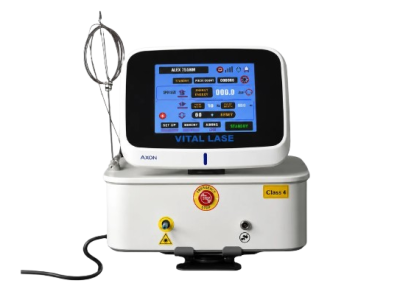
Laser Machine for Proctology Treatment | IMDSL
Laser Machine for Proctology Treatment: Advanced Laser Solutions for Modern Clinics
Proctology has evolved significantly with the introduction of minimally invasive technologies. Among the most advanced options available today, a Laser Machine for Proctology Treatment is increasingly being used by specialists for procedures involving conditions such as piles, fissures, fistula, and other anorectal disorders.
For clinics and hospitals looking to upgrade their proctology treatment capabilities, choosing the right laser equipment is an important decision. IMDSL provides advanced laser technology designed to support medical professionals with reliable, precise, and efficient solutions for modern proctology procedures.
What Is a Laser Machine for Proctology Treatment?
A Laser Machine for Proctology Treatment is a medical laser system designed to assist qualified surgeons and proctologists in performing minimally invasive procedures related to anorectal conditions.
Depending on the procedure and clinical requirement, laser technology can be used for applications such as:
- Piles or haemorrhoid treatment
- Fistula treatment
- Anal fissure procedures
- Pilonidal sinus procedures
- Other selected proctological applications
Laser technology allows specialists to work with controlled energy delivery and precision, making it an important technology in modern minimally invasive surgery.
Why Choose Laser Technology for Proctology?
Traditional surgical techniques can involve larger incisions and longer recovery periods depending on the condition and procedure. Laser-assisted techniques are designed to provide a minimally invasive approach when clinically appropriate.
Some potential advantages of laser-based proctology procedures include:
1. Minimally Invasive Approach
Laser procedures can involve smaller treatment areas compared with some conventional surgical techniques. This may help support a more comfortable treatment experience for appropriately selected patients.
2. Precise Energy Delivery
Modern medical lasers allow clinicians to control the delivery of laser energy according to the procedure. Precision is particularly important when working around delicate anatomical structures.
3. Controlled Tissue Interaction
Laser energy can provide controlled tissue effects under the supervision of a trained medical professional, helping surgeons perform specific procedures with greater precision.
4. Potentially Faster Recovery
Depending on the condition, procedure, and individual patient, minimally invasive laser techniques may support a shorter recovery period compared with certain conventional surgical approaches.
5. Modern Clinical Technology
Adding a suitable laser system can help hospitals, clinics, and proctology centres expand their minimally invasive treatment capabilities.
IMDSL – Advanced Laser Technology for Proctology
IMDSL (Intense Medical & Dental System) develops advanced medical laser solutions for healthcare professionals. Its technology portfolio is designed to meet the requirements of modern clinical environments where precision, performance, and versatility are important.
For proctology applications, choosing the appropriate wavelength, power configuration, fibre, and treatment protocol is essential. The right system should be selected according to the procedure, clinical requirement, and professional expertise.
IMDSL focuses on providing laser solutions that can support healthcare professionals in delivering advanced minimally invasive treatments.
Applications of a Proctology Laser Machine
A Laser Machine for Proctology Treatment can be used in various proctological procedures depending on the laser system, accessories, and clinical protocol.
Laser Treatment for Piles
Laser-assisted procedures are increasingly considered for selected haemorrhoid cases. Laser energy can be used under professional supervision to address the affected tissue while aiming to minimize unnecessary tissue damage.
Laser Treatment for Fistula
Laser technology may also be used in selected fistula procedures. Laser energy can be delivered through an appropriate fibre to support minimally invasive management.
Laser Treatment for Anal Fissure
For selected patients, laser-assisted techniques may be incorporated into the management of chronic anal fissures according to the surgeon’s clinical assessment.
Pilonidal Sinus Treatment
Laser-assisted techniques are also used in some minimally invasive pilonidal sinus procedures. The exact approach depends on the patient’s condition and the surgeon’s chosen treatment protocol.
How Does a Proctology Laser Machine Work?
The working principle depends on the wavelength and laser technology being used.
Generally, a laser system produces controlled optical energy that is delivered to the treatment area through an appropriate handpiece or fibre. The medical professional controls the energy parameters according to the procedure.
A typical workflow may involve:
Patient Assessment → Diagnosis → Procedure Planning → Laser Energy Delivery → Post-Procedure Care
The exact procedure, energy settings, fibre selection, and treatment protocol should always be determined by a qualified medical professional.
How to Choose the Best Laser Machine for Proctology?
Selecting a Laser Machine for Proctology Treatment requires more than simply comparing machine specifications. Clinics should consider several factors before making a purchase.
Wavelength
Different wavelengths interact differently with tissue. The appropriate wavelength should be selected according to the intended clinical application.
Power Output
The laser should provide suitable power and energy control for the procedures performed at the clinic.
Fibre Compatibility
Fibre selection is an important consideration for proctology procedures. Clinics should check compatibility with the intended applications.
Treatment Modes
Different treatment modes and parameter controls can provide greater flexibility for qualified practitioners.
Safety Features
A medical laser should include appropriate safety mechanisms and be used according to applicable medical and laser-safety standards.
Training & Technical Support
A reliable manufacturer should provide appropriate product guidance, training, and technical support to healthcare professionals.
Why IMDSL for Proctology Laser Technology?
Choosing the right manufacturer is just as important as choosing the right equipment.
IMDSL focuses on developing medical laser systems for healthcare professionals across different clinical applications. Its approach combines medical technology, controlled laser energy delivery, and practical clinical requirements.
When evaluating an IMDSL Laser Machine for Proctology Treatment, healthcare professionals can consider:
- Advanced medical laser technology
- Multiple wavelength options
- Controlled energy delivery
- Procedure-oriented configurations
- Professional technical support
- Training and product guidance
- Applications across minimally invasive treatments
Benefits for Modern Clinics
A high-quality proctology laser system can help clinics expand their treatment capabilities and offer advanced minimally invasive options to suitable patients.
For a modern hospital or specialty clinic, investing in appropriate laser technology can support:
- Advanced treatment options
- Minimally invasive procedures
- Improved procedural precision
- Greater treatment flexibility
- Modern clinical infrastructure
- Expansion of proctology services
However, the suitability of laser treatment depends on the patient’s condition and professional medical assessment.
Laser Machine for Proctology Treatment – A Modern Approach
As minimally invasive procedures continue to become an important part of modern healthcare, laser technology is playing an increasingly valuable role in proctology.
A suitable Laser Machine for Proctology Treatment can provide qualified specialists with controlled laser energy, procedure-specific flexibility, and advanced technology for selected anorectal procedures.
With its focus on medical laser technology, IMDSL provides solutions designed for healthcare professionals seeking modern equipment for minimally invasive clinical applications.
If you are planning to introduce or upgrade laser-based proctology procedures in your clinic or hospital, selecting the right laser system, accessories, training, and technical support is essential.
Frequently Asked Questions (FAQs)
1. What is a Laser Machine for Proctology Treatment?
A Laser Machine for Proctology Treatment is a medical laser system used by qualified healthcare professionals for selected minimally invasive proctological procedures, including procedures for piles, fistula, fissure, and pilonidal sinus.
2. What conditions can be treated using a proctology laser?
Depending on the laser system and clinical protocol, laser technology may be used for selected cases of piles, fistula, anal fissure, and pilonidal sinus.
3. Is laser treatment for piles minimally invasive?
Many laser-assisted piles procedures are minimally invasive compared with certain conventional surgical techniques. However, the appropriate treatment depends on the patient’s condition and the surgeon’s assessment.
4. How do I choose the best proctology laser machine?
Consider wavelength, power output, fibre compatibility, treatment modes, safety features, manufacturer support, training, and the intended clinical applications.
5. Why is wavelength important in proctology laser treatment?
Different laser wavelengths have different interactions with biological tissue. Therefore, the appropriate wavelength should be selected according to the intended procedure and clinical requirements.
6. Does IMDSL manufacture medical laser machines?
Yes. IMDSL develops medical laser systems designed for various healthcare applications, including solutions relevant to minimally invasive procedures.
7. Can one laser machine be used for multiple procedures?
Some medical laser systems can support multiple applications depending on their wavelength, configuration, accessories, and approved clinical use. Healthcare professionals should select equipment according to their specific requirements.
8. Who can operate a proctology laser machine?
Medical laser equipment should be operated by appropriately trained and qualified healthcare professionals according to applicable regulations, safety protocols, and clinical guidelines.
9. Is laser treatment suitable for every patient?
No. Laser treatment is not appropriate for every patient or every condition. A qualified specialist must evaluate the patient and determine the most suitable treatment approach.
10. Where can I find a professional Laser Machine for Proctology Treatment?
Healthcare professionals looking for advanced laser technology can explore IMDSL’s medical laser solutions and select a system according to their clinical requirements.
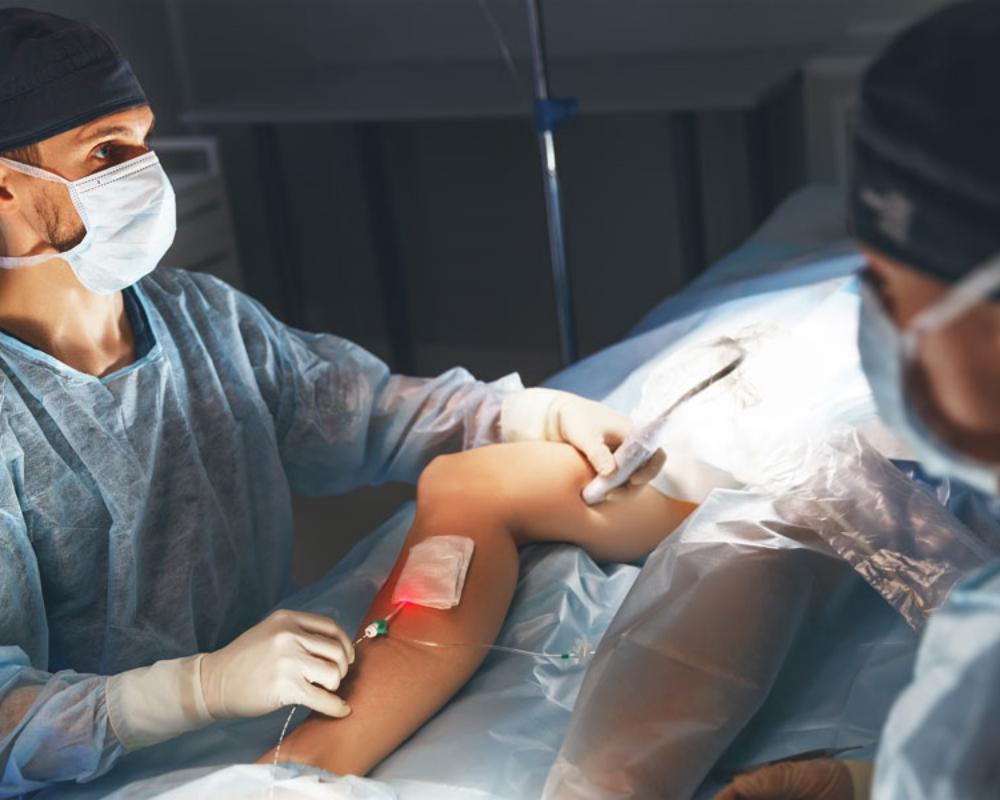
Varicose Veins Laser Treatment Machine: Uses, Benefits & How It Works
Varicose Veins Laser Treatment Machine: Uses, Benefits, Working & How to Choose the Right Machine
Varicose veins are enlarged, twisted veins that commonly appear on the legs when blood does not flow efficiently back toward the heart. Along with their visible appearance, varicose veins can be associated with symptoms such as leg heaviness, aching, swelling, itching, and discomfort.
With the development of minimally invasive vascular procedures, laser treatment for varicose veins has become an important option for appropriately selected patients. A Varicose Veins Laser Treatment Machine is designed to deliver controlled laser energy through a suitable fiber to treat incompetent veins during an endovenous laser ablation (EVLA) procedure.
Modern systems, particularly those using wavelengths such as 1470 nm, are used with different fiber designs depending on the treatment technique and clinical requirements. Clinical studies have reported high vein-occlusion rates with 1470 nm EVLA, although treatment outcomes depend on patient selection, vein anatomy, laser settings, fiber type, and the clinician’s technique.
What Is a Varicose Veins Laser Treatment Machine?
A Varicose Veins Laser Treatment Machine is a medical laser system used by trained healthcare professionals for endovenous laser procedures. Instead of surgically removing the affected vein, the procedure uses laser energy to heat and close the targeted vein.
Once the treated vein is closed, blood can be redirected through healthier veins.
The machine generally works as part of a complete treatment setup that may include:
- Medical laser generator
- Appropriate laser fiber
- Fiber delivery system
- Energy and power controls
- Footswitch or activation controls
- Safety features
- Compatible accessories for the selected procedure
The exact configuration varies between manufacturers and models.
How Does Laser Treatment for Varicose Veins Work?
The treatment is commonly performed under ultrasound guidance.
A simplified overview of the procedure is:
1. Patient Assessment
The doctor evaluates the patient’s symptoms, medical history, vein anatomy, and circulation. Duplex ultrasound is commonly used to identify venous reflux and determine which veins may be suitable for treatment.
2. Ultrasound-Guided Access
After preparing the treatment area, the doctor accesses the targeted vein using a minimally invasive technique.
3. Fiber Placement
A laser fiber is positioned inside the affected vein under ultrasound guidance.
4. Controlled Laser Energy Delivery
The varicose veins laser treatment machine delivers controlled laser energy through the fiber. The thermal energy causes the targeted vein to close.
5. Blood Flow Redirects
After successful closure, blood is naturally redirected through other functioning veins.
The treatment technique, energy level, wavelength, fiber design, and pullback speed are selected by the treating clinician according to the patient’s anatomy and the intended procedure.
Why Are 1470 nm Lasers Used for Varicose Vein Treatment?
1470 nm laser technology has been widely studied for endovenous laser ablation.
Research has investigated 1470 nm systems with both bare and radial fiber designs. Some studies have reported reduced postoperative pain and bruising with radial fibers and 1470 nm systems compared with older combinations such as 980 nm bare-tip fibers.
A randomized clinical trial comparing 1470 nm EVLA with radiofrequency ablation found similar one-year vein occlusion outcomes between the two techniques, demonstrating that both are established endovenous thermal approaches when appropriately used.
However, a higher or specific wavelength alone does not guarantee a better clinical outcome. The complete treatment protocol, fiber selection, energy delivery, ultrasound guidance, and clinician expertise are all important.
Key Features of a Modern Varicose Veins Laser Machine
When evaluating a laser system for vascular applications, healthcare professionals may consider several technical and practical factors.
1. Appropriate Laser Wavelength
The wavelength should be suitable for the intended vascular procedure and compatible with the available fibers.
2. Controlled Power and Energy
Precise control over laser output allows clinicians to select treatment parameters according to the procedure.
3. Fiber Compatibility
Different fiber designs can influence how laser energy is delivered to the vein. Radial fibers, for example, distribute energy differently from traditional bare-tip fibers.
4. User-Friendly Controls
An intuitive interface can make it easier for trained clinicians to monitor and adjust treatment parameters.
5. Safety Features
Medical laser equipment should incorporate appropriate safety mechanisms and be used according to the manufacturer’s instructions and applicable medical-device requirements.
6. Reliable Performance
For clinics and hospitals, consistent performance, service support, training, and availability of compatible accessories are important considerations when selecting a medical laser system.
Benefits of Endovenous Laser Treatment
When clinically appropriate, endovenous laser ablation can offer several advantages compared with traditional surgical vein stripping.
Minimally Invasive Procedure
EVLA is performed through a small access point rather than requiring a large surgical incision.
Targeted Treatment
Laser energy can be delivered directly to the selected vein through a fiber.
Outpatient-Based Treatment
Depending on the patient and clinical setup, endovenous laser procedures can often be performed without a prolonged hospital stay.
Less Invasive Than Traditional Vein Stripping
Endovenous thermal techniques have contributed to the shift away from conventional high ligation and stripping for many patients with suitable venous disease.
Established Clinical Evidence
Multiple clinical studies have evaluated 1470 nm EVLA, including studies reporting high rates of vein occlusion and improvement in clinical symptoms.
Varicose Veins Laser Treatment Machine vs Traditional Surgery
Traditional treatment for varicose veins may involve surgical removal or ligation of affected veins. Endovenous laser treatment uses thermal energy delivered inside the vein.
| Feature | Laser Treatment | Traditional Vein Surgery |
|---|---|---|
| Treatment approach | Endovenous thermal ablation | Surgical removal/ligation |
| Access | Small puncture/access point | Surgical incisions |
| Laser fiber | Required | Not required |
| Ultrasound guidance | Commonly used | May be used depending on procedure |
| Invasiveness | Minimally invasive | More invasive |
| Recovery | Generally shorter for suitable patients | May require longer recovery |
| Treatment selection | Depends on vein anatomy | Depends on clinical condition |
The appropriate treatment should always be determined by a qualified vascular specialist after clinical and ultrasound assessment.
What Conditions Can Be Treated With Endovenous Laser Technology?
Endovenous laser treatment is primarily associated with venous insufficiency and varicose veins, particularly incompetent superficial veins such as the great saphenous vein.
Research has also examined 1470 nm EVLA for other venous segments, including small saphenous and perforating veins, although the appropriate technique varies according to anatomy and clinical indication.
It is important to understand that not every varicose vein is automatically suitable for laser treatment. A vascular specialist needs to assess the underlying venous problem before selecting a procedure.
How to Choose the Right Varicose Veins Laser Treatment Machine?
Healthcare facilities should consider more than just the laser wavelength when purchasing a vascular laser system.
Consider the Following:
Wavelength:
Check whether the wavelength is suitable for your intended vascular procedures.
Power Range:
The system should provide an appropriate and controllable power range for the procedures performed at your facility.
Fiber Options:
Check compatibility with the fiber types used by your clinical team.
Energy Control:
Accurate energy delivery is important for controlled treatment.
Ease of Operation:
A clear interface can help trained professionals operate the system efficiently.
Safety:
Review built-in safety features, operating protocols, and laser safety requirements.
Training & Technical Support:
After-sales support, clinical training, maintenance, and availability of accessories can be important for long-term use.
Regulatory Compliance:
Before purchasing medical equipment, healthcare providers should verify the applicable regulatory approvals, certifications, and documentation for their country and intended use.
What Makes 1470 nm Laser Technology Different?
The interaction between laser energy and tissue depends on several factors, including wavelength, fiber design, energy density, and tissue characteristics.
Studies comparing 1470 nm with older wavelengths have found that certain 1470 nm and radial-fiber combinations can achieve effective vein closure while using different energy delivery parameters. One randomized study comparing 1470 nm radial-fiber treatment with 980 nm bare-tip treatment reported similar short-term occlusion but lower postoperative pain and bruising in the 1470 nm radial-fiber group.
Another randomized trial comparing 940 nm and 1470 nm EVLA reported less pain and shorter analgesic use during the first postoperative week with the 1470 nm treatment, while treatment success rates were similar.
These findings support the importance of considering the complete laser-fiber system and treatment protocol, rather than looking at wavelength alone.
Is Varicose Veins Laser Treatment Safe?
Endovenous laser ablation is an established minimally invasive treatment, but like any medical procedure, it can have risks and side effects.
Possible complications can include:
- Temporary pain or discomfort
- Bruising
- Swelling or induration
- Numbness or altered sensation
- Superficial vein thrombosis
- Rarely, more serious complications such as deep vein thrombosis or pulmonary embolism
Published studies show that complication rates vary according to the treatment technique, patient characteristics, energy delivery, fiber design, and follow-up period.
Therefore, laser treatment should only be performed by appropriately trained medical professionals using suitable equipment and clinical protocols.
Why Clinics Invest in Modern Vascular Laser Technology
As minimally invasive treatment options continue to be used in vascular care, medical facilities may look for equipment that provides controlled energy delivery, compatibility with modern fibers, and practical operation.
A modern Varicose Veins Laser Treatment Machine can support vascular specialists in performing endovenous laser procedures when the treatment is clinically indicated.
For medical equipment providers, offering appropriate training, technical support, maintenance, and procedure-specific accessories can be just as important as the laser system itself.
Varicose Veins Laser Treatment Machine: Frequently Asked Questions
1. What is a Varicose Veins Laser Treatment Machine?
A Varicose Veins Laser Treatment Machine is a medical laser system used to deliver controlled laser energy during endovenous laser ablation. The energy is delivered through a fiber placed inside the targeted vein to close the vein.
2. What wavelength is commonly used for varicose vein laser treatment?
1470 nm is one of the wavelengths that has been extensively studied for endovenous laser ablation. Clinical research has evaluated 1470 nm systems with different fiber designs for treating incompetent veins.
3. Is 1470 nm laser effective for varicose veins?
Clinical studies have reported high vein-occlusion rates with 1470 nm EVLA. However, effectiveness depends on factors such as patient selection, vein anatomy, fiber type, energy settings, and treatment technique.
4. What is the difference between 980 nm and 1470 nm laser treatment?
Both wavelengths have been used for EVLA. Studies comparing different wavelength-and-fiber combinations have reported differences in postoperative pain and bruising, while treatment success can remain high with both approaches.
5. What type of fiber is used with a varicose vein laser?
Different procedures may use different fiber designs, including bare-tip and radial fibers. The appropriate fiber depends on the laser system, treatment technique, vein anatomy, and clinician preference.
6. Is laser treatment better than surgery for varicose veins?
Laser ablation and conventional surgery are different treatment approaches. Endovenous thermal ablation is less invasive and has become an established option for appropriately selected patients, but the most suitable treatment depends on the patient’s venous condition and clinical assessment.
7. How long does laser treatment for varicose veins take?
Treatment duration varies depending on the number and length of veins being treated, the patient’s anatomy, and the clinical protocol. The treating specialist can provide an appropriate estimate after evaluation.
8. Can all varicose veins be treated with a laser?
No. The suitability of laser treatment depends on the type, size, location, anatomy, and underlying cause of the affected veins. Duplex ultrasound and clinical assessment help determine the appropriate treatment.
9. What should I consider before buying a varicose veins laser machine?
Consider wavelength, power range, energy control, fiber compatibility, safety features, usability, regulatory documentation, warranty, technical support, training, and availability of consumables.
10. Who should operate a varicose veins laser treatment machine?
The machine should be operated by appropriately trained and qualified healthcare professionals according to applicable regulations, manufacturer instructions, and clinical protocols.
Conclusion
A Varicose Veins Laser Treatment Machine is an important technology used in minimally invasive endovenous laser procedures for appropriately selected patients with venous disease. Modern systems, including 1470 nm laser technology, have been extensively evaluated in clinical research and can provide controlled thermal ablation when used with appropriate fibers and treatment protocols.
For hospitals, vascular clinics, and healthcare professionals evaluating a laser system, the decision should go beyond wavelength or machine specifications. Laser performance, fiber technology, energy control, safety, clinical training, regulatory compliance, technical support, and long-term service all deserve careful consideration.
Most importantly, the selection and use of a vascular laser system should be based on the intended clinical application and performed by qualified professionals.
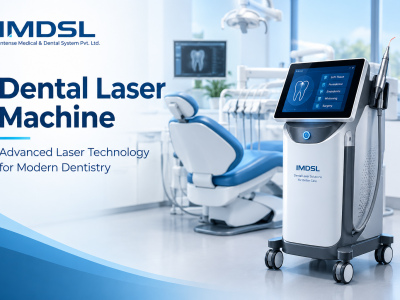
Dental Laser Machine: Types, Benefits, Uses & Buying Guide | IMDSL
Dental Laser Machine: Types, Benefits, Applications, and How to Choose the Right One
A Dental Laser Machine is an advanced technology used in modern dentistry for a wide range of procedures, including soft-tissue treatments, periodontal therapy, endodontics, teeth whitening, and other dental applications. Compared with conventional techniques, dental lasers can provide precise energy delivery to targeted tissues, helping dentists perform selected procedures with greater control.
As dental practices increasingly adopt minimally invasive technologies, choosing the right Dental Laser Machine has become an important decision for dentists, clinics, and dental hospitals.
In this guide, we will discuss what a dental laser machine is, its types, applications, benefits, important features, and how IMDSL supports dental professionals with advanced laser solutions.
What Is a Dental Laser Machine?
A Dental Laser Machine is a specialized medical device that uses concentrated laser energy for dental procedures. Depending on the wavelength and configuration, a dental laser can be used for soft-tissue or hard-tissue applications.
Different wavelengths interact differently with water, pigments, and other components of biological tissue. Therefore, selecting the appropriate wavelength and power settings is essential for achieving the intended clinical result.
Modern dental laser systems are designed to provide dentists with controlled energy delivery, adjustable treatment parameters, and multiple clinical protocols.
Why Are Dental Lasers Becoming Popular?
Modern dentistry focuses increasingly on precision, patient comfort, minimally invasive procedures, and efficient clinical workflows. Dental laser technology can support these objectives in appropriate clinical situations.
A Dental Laser Machine may help dentists:
- Perform precise soft-tissue procedures
- Reduce unnecessary tissue trauma in suitable cases
- Support periodontal treatments
- Assist in endodontic procedures
- Perform selected surgical procedures
- Improve treatment control
- Support faster and more comfortable clinical procedures in appropriate cases
- Expand the range of procedures available in a dental practice
The exact benefits depend on the laser wavelength, treatment protocol, clinical indication, and the dentist’s expertise.
Types of Dental Laser Machines
Dental lasers can generally be categorized according to their wavelength, active medium, and clinical application.
1. Diode Dental Laser
Diode lasers are commonly used for soft-tissue procedures. They can be useful in procedures involving gingival tissue and periodontal applications.
Typical applications may include:
- Gingivectomy
- Gingivoplasty
- Frenectomy
- Gingival contouring
- Periodontal procedures
- Soft-tissue surgery
- Dental bleaching support
Diode lasers are popular because many systems are compact and designed for use in multiple soft-tissue applications.
2. Er: YAG Laser
Er:YAG lasers operate at a wavelength that is highly absorbed by water. They can be used in selected hard- and soft-tissue dental procedures.
Potential applications include:
- Caries-related procedures
- Hard-tissue treatment
- Periodontal treatment
- Bone-related procedures
- Soft-tissue procedures
The exact indications depend on the specific device and regulatory approvals.
3. Nd:YAG Laser
Nd:YAG lasers operate at approximately 1064 nm and can be used in various soft-tissue and periodontal applications.
They may be used for:
- Periodontal therapy
- Soft-tissue procedures
- Bacterial reduction protocols
- Selected endodontic applications
4. CO₂ Dental Laser
CO₂ lasers are strongly absorbed by water and are primarily associated with soft-tissue procedures.
They may be used for:
- Oral soft-tissue surgery
- Gingival procedures
- Tissue ablation
- Selected oral surgical applications
Applications of a Dental Laser Machine
The versatility of laser technology makes it useful across several areas of dentistry.
Periodontal Treatment
Dental lasers can be incorporated into selected periodontal treatment protocols. Depending on the wavelength and clinical protocol, laser energy may assist with tissue management and bacterial reduction.
Endodontics
Laser technology can also be incorporated into root canal treatment protocols. Certain wavelengths can be used as an adjunct to conventional endodontic procedures for cleaning and disinfection.
Gingival Procedures
A Dental Laser Machine can provide controlled energy delivery for procedures involving gingival tissue.
Applications may include:
- Gingival reshaping
- Gingivectomy
- Gingivoplasty
- Crown-lengthening support
- Frenectomy
Dental Bleaching
Some dental laser systems can be used as part of professional teeth-whitening protocols. The laser system and bleaching material must be used according to the manufacturer’s recommended protocol.
Oral Surgery
Selected dental lasers can assist with soft-tissue surgical procedures where appropriate.
Peri-Implant and Implant-Related Procedures
Certain laser systems may be incorporated into implant-related treatment protocols, including selected peri-implant soft-tissue and decontamination procedures.
Benefits of Using a Dental Laser Machine
The advantages of dental lasers vary according to the procedure, wavelength, and treatment protocol. Commonly cited benefits include:
Precision
Laser energy can be delivered to a targeted area, allowing dentists to work with controlled energy parameters.
Minimally Invasive Approach
For suitable procedures, laser treatment may help reduce mechanical trauma compared with some conventional techniques.
Patient Comfort
Some laser procedures may require less mechanical instrumentation, which can contribute to improved patient comfort in appropriate cases.
Reduced Bleeding
Certain soft-tissue lasers can provide coagulation during tissue procedures, which may help with bleeding control.
Versatility
A suitable multi-purpose laser system can support different dental applications, depending on its wavelength and approved indications.
Modern Clinical Workflow
Laser technology can become an additional tool in a modern dental practice, complementing conventional dental equipment and techniques.
Important Features to Consider Before Buying a Dental Laser Machine
Choosing a Dental Laser Machine should not be based only on price. Dentists should evaluate the complete system and its intended clinical applications.
Wavelength
The wavelength is one of the most important factors because it determines how laser energy interacts with different tissues.
Power and Energy Settings
Look for a system that offers appropriate control over power, energy, pulse duration, and frequency according to the intended procedures.
Treatment Protocols
Pre-set or customizable protocols can make it easier for trained dental professionals to configure the machine for different applications.
Ease of Use
A user-friendly interface can help streamline clinical workflows and reduce unnecessary complexity.
Handpieces and Accessories
Check which handpieces, tips, fibers, and accessories are available and whether they match your intended procedures.
Training and Technical Support
Proper training is essential for safe and effective laser use. Consider the availability of product training, clinical guidance, maintenance, and technical support.
Manufacturer Reliability
A dental laser is a long-term investment. The manufacturer’s reputation, product support, service network, warranty, and availability of consumables should also be considered.
Dental Laser Machine Price in India
The price of a Dental Laser Machine in India can vary considerably depending on the wavelength, power, technology, number of applications, accessories, configuration, and manufacturer.
Instead of choosing a machine solely on the basis of its initial price, dental professionals should consider:
- Clinical applications
- Laser wavelength
- Output power
- Available protocols
- Accessories
- Warranty
- Training
- After-sales service
- Maintenance requirements
- Consumable costs
A machine that matches the clinic’s actual treatment requirements can provide greater practical value over the long term.
How to Choose the Right Dental Laser Machine for Your Clinic
Before purchasing a laser system, define the procedures for which you intend to use it.
For example, a dentist primarily interested in soft-tissue procedures may have different requirements from a practitioner looking for periodontal, endodontic, or multi-disciplinary applications.
A practical evaluation can include:
Step 1: Identify your clinical requirements
List the procedures you want to perform using laser technology.
Step 2: Select the appropriate wavelength
Different wavelengths have different tissue interactions and clinical applications.
Step 3: Compare machine specifications
Evaluate power range, operating modes, pulse settings, handpieces, and available protocols.
Step 4: Check training and support
Ensure that proper training and technical support are available.
Step 5: Evaluate the complete cost
Consider equipment, accessories, consumables, maintenance, and service.
Step 6: Request a demonstration
A live demonstration can help you understand the equipment’s interface, operation, and clinical workflow before making a purchase.
Why Choose IMDSL for Dental Laser Technology?
IMDSL provides advanced laser technology designed to support modern medical and dental professionals. Its range of laser systems is developed for different clinical requirements and applications.
For dental professionals looking for a Dental Laser Machine, IMDSL offers laser solutions with a focus on technology, clinical usability, and professional support.
Before selecting a system, dentists can evaluate their clinical requirements and discuss the appropriate laser configuration with the IMDSL team.
Frequently Asked Questions About Dental Laser Machines
What is a Dental Laser Machine used for?
A Dental Laser Machine can be used for various dental procedures, including selected soft-tissue, periodontal, endodontic, surgical, and bleaching applications, depending on the laser’s wavelength and approved indications.
Is a dental laser better than conventional dental equipment?
Laser technology and conventional instruments serve different purposes. A laser can be an effective additional tool for selected procedures, but the appropriate technology depends on the clinical indication and dentist’s treatment plan.
Which wavelength is best for dental treatment?
There is no single wavelength that is best for every dental procedure. Different wavelengths have different tissue interactions and applications. The appropriate wavelength depends on the intended clinical use.
How much does a Dental Laser Machine cost in India?
The cost varies according to the machine’s technology, wavelength, power, configuration, accessories, and manufacturer. Dentists should compare the complete system rather than focusing only on the purchase price.
Does a dentist need training to use a laser machine?
Yes. Appropriate education and hands-on training are important for understanding laser parameters, safety procedures, clinical protocols, and proper device operation.
Final Thoughts
A Dental Laser Machine can be a valuable addition to a modern dental practice when the technology is selected according to clinical requirements and used by appropriately trained professionals. From soft-tissue procedures and periodontal applications to selected endodontic and surgical protocols, dental lasers can expand the range of technologies available to dentists.
When choosing a dental laser, consider the wavelength, clinical applications, power settings, protocols, accessories, training, service support, and overall cost.
With its focus on advanced laser technology, IMDSL can help dental professionals explore laser solutions suited to their clinical requirements.
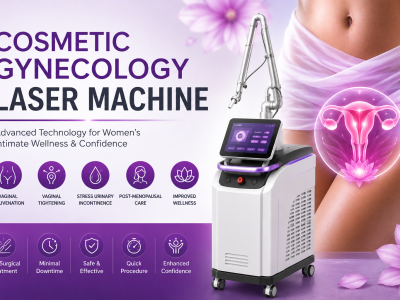
Gynecology Laser Machine | Advanced Laser Technology | IMDSL
Gynecology Laser Machine: A Modern Approach to Advanced Women’s Healthcare
The field of women’s healthcare is continuously evolving with the introduction of advanced medical technologies. One such innovation is the Gynecology Laser Machine, which is increasingly being explored by gynecologists and healthcare professionals for various minimally invasive gynecological procedures. Laser technology can offer controlled energy delivery, precision, and potentially reduced tissue trauma when used appropriately by trained medical professionals.
IMDSL (Intense Medical & Dental System) develops advanced laser systems designed to support medical professionals with reliable, precise, and versatile laser technology. Its solutions are focused on helping healthcare providers adopt modern laser-assisted procedures while maintaining appropriate clinical protocols and patient safety.
What Is a Gynecology Laser Machine?
A Gynecology Laser Machine is a medical laser system designed to deliver controlled laser energy for selected gynecological applications. Depending on the laser wavelength, power, handpiece, and clinical protocol, laser technology may be used in procedures involving soft tissue, vaginal health, cervical applications, and other areas of women’s healthcare.
Unlike conventional surgical instruments, lasers can deliver concentrated energy to a targeted area. This allows physicians to work with high precision and carefully controlled tissue interaction.
However, the suitability of a laser procedure depends on the patient’s condition, diagnosis, clinical requirements, and the doctor’s professional judgment.
How Does a Gynecology Laser Machine Work?
The working principle of a Gynecology Laser Machine depends on the wavelength and technology used. Laser energy interacts with tissue in a controlled manner, producing effects such as cutting, vaporization, coagulation, or controlled thermal stimulation.
A typical laser-assisted procedure involves:
- Patient evaluation: The gynecologist evaluates the patient’s condition and medical history.
- Procedure planning: The appropriate laser settings and clinical protocol are selected.
- Controlled energy delivery: The laser is directed toward the intended treatment area.
- Tissue interaction: Laser energy produces the required therapeutic effect.
- Post-procedure care: The patient receives appropriate aftercare and follow-up instructions.
The precision of laser energy delivery is one of the major reasons laser technology has become an important part of modern minimally invasive medicine.
Applications of a Gynecology Laser Machine
A Gynecology Laser Machine may be considered for a range of applications depending on the specific laser system and regulatory indications.
1. Vaginal and Women’s Health Procedures
Certain laser technologies are used in selected women’s health procedures where controlled energy delivery is required. Depending on the system and indication, laser-based treatments may focus on tissue remodeling or other clinically appropriate applications.
2. Gynecological Soft Tissue Procedures
Laser systems can provide physicians with precise energy delivery for selected soft-tissue procedures. The ability to control parameters such as power, pulse duration, and delivery method can help clinicians customize treatment according to the procedure.
3. Minimally Invasive Procedures
One of the key advantages associated with medical laser technology is its potential role in minimally invasive treatment approaches. Depending on the indication, this may help reduce the need for more extensive surgical intervention.
4. Cervical and Other Specialized Applications
Specific laser systems and wavelengths may have applications in selected cervical or gynecological procedures. These treatments should always be performed by qualified professionals using approved equipment and established clinical protocols.
Benefits of Using a Gynecology Laser Machine
The adoption of laser technology can provide several potential benefits for appropriately selected procedures.
High Precision
Laser energy can be precisely controlled and directed toward the intended treatment area. This is particularly valuable in procedures where accuracy is important.
Controlled Tissue Interaction
Different laser wavelengths interact with biological tissues differently. Selecting the appropriate wavelength and settings allows clinicians to achieve the desired tissue effect according to the procedure.
Minimally Invasive Approach
For suitable indications, laser-assisted techniques may support less invasive treatment approaches compared with some conventional surgical methods.
Efficient Procedure
Depending on the procedure and clinical protocol, laser technology can help streamline certain treatments by providing controlled energy delivery through specialized handpieces or fiber systems.
Advanced Technology for Modern Clinics
Adding a suitable Gynecology Laser Machine can help hospitals, clinics, and specialized women’s healthcare centers expand their technology capabilities and offer appropriately indicated laser-assisted procedures.
Why Choose IMDSL for a Gynecology Laser Machine?
When investing in medical laser equipment, healthcare professionals should consider factors such as technology, wavelength options, operating modes, safety features, clinical versatility, training, and after-sales support.
IMDSL focuses on developing and supplying advanced medical laser systems for healthcare professionals. The company combines laser technology with practical clinical requirements to provide solutions for modern medical environments.
Before selecting a Gynecology Laser Machine, medical professionals should evaluate:
- Laser wavelength and technology
- Available power settings
- Treatment modes
- Handpieces and delivery systems
- Safety features
- Ease of operation
- Clinical applications
- Training and technical support
- Maintenance requirements
- Regulatory compliance and applicable certifications
Choosing equipment based only on price may not provide the best long-term value. The machine should match the clinical requirements and procedures performed by the healthcare facility.
What Should Doctors Consider Before Buying a Gynecology Laser Machine?
Every gynecology practice has different requirements. Before purchasing laser equipment, doctors should clearly identify the procedures for which the machine will be used.
It is also important to understand the available wavelengths, treatment protocols, accessories, and operating parameters. Proper training is essential because laser procedures require appropriate knowledge of laser safety, tissue interaction, device settings, and clinical protocols.
Healthcare facilities should also ensure that the equipment is operated according to applicable regulations and manufacturer recommendations.
The Future of Laser Technology in Gynecology
Medical technology is moving toward greater precision, minimally invasive approaches, and personalized treatment. Laser systems are part of this technological development, offering physicians another tool for selected gynecological procedures.
As laser technology continues to evolve, improvements in energy delivery, treatment control, device design, and clinical protocols may further expand its role in women’s healthcare.
Conclusion
A Gynecology Laser Machine represents an advanced technology option for gynecologists looking to incorporate laser-assisted procedures into their clinical practice. With controlled energy delivery, precision, and potential applications across selected gynecological procedures, medical lasers can complement modern women’s healthcare.
IMDSL provides advanced medical laser technology designed to support healthcare professionals with reliable and precise laser systems. Before purchasing a system, doctors should carefully evaluate clinical applications, technical specifications, safety requirements, training, and regulatory considerations.
If you are looking for a Gynecology Laser Machine, explore the available laser solutions from IMDSL and select a system that aligns with your clinical requirements and professional practice.
Frequently Asked Questions (FAQs)
1. What is a Gynecology Laser Machine?
A Gynecology Laser Machine is a medical laser system designed to deliver controlled laser energy for selected gynecological procedures.
2. What are the benefits of a Gynecology Laser Machine?
Potential benefits include precise energy delivery, controlled tissue interaction, and support for minimally invasive approaches in appropriately selected procedures.
3. Who can operate a Gynecology Laser Machine?
>>>>>The machine should be operated by appropriately trained and qualified healthcare professionals according to applicable regulations and manufacturer guidelines.
4. How do I choose the right Gynecology Laser Machine?
Consider wavelength, power, treatment modes, accessories, safety features, clinical applications, training, technical support, and regulatory requirements.
5. Why choose IMDSL?
IMDSL focuses on advanced medical laser technology and provides laser solutions designed around the needs of healthcare professionals and modern clinical environments.
What Doctors say about us
Great feedback is the best reward for us, here are a few experiences of our esteemed Doctors after using IMDSL Lasers!

Dr. Santosh Voodi
“Very good laser unit , I am using since 4 years , till now I have done more than 500 cases , no problem to the laser unit , and intensity also very good ,thank you Manoj diwedi sir for giving us good product .”
Dr. Sanket Kumar
“Highly recommended. I am very satisfied with the decision of buying lasers with them. An amazing support team and always ready to help.4 years and unconditional support till date”
Dr. Sachet Popli
“I am happy with the IMDSL system and can’t imagine my practice without the laser system. Would recommend my colleagues and friends to consider IMDS Laser machine before buying any other system.”
Dr. Susannah Thomas
“I have been using the 980nm, 7 Watt Diode Laser of IMDSL, it has been working very well and the after sales support given to me by IMDSL has been great/very commendable, thank you IMDSL, wishing you all the very Best …”
Dr. Ashwin C
“Hi, I got my IMDSL LASER unit almost 3 years back. It’s amazing upgrade in my practice. It made my life easy in terms of delivery of treatment. Also it’s absolutely economical to clinician as well as to the patients. Best part of it is, INTENSE’s post sell services, those are prompt and fabulous. So if you think of LASER think of IMDSL. 👍🏻👍🏻”
Dr. Vanaja Rachha
“IMDS laser is an integrated part of all parts of dentistry in my practice. Dr. Manoj and Dr. Shikha are very helpful. They are always eager to help. Thanks to both of you Doctors.”
Dr. Divya Ananda
“It was a good decision buying laser from you Mr Manoj ji…as it is helpful in performing certain dental procedures very easily and time saving.. As well providing good guidance from Dr Shika..Thank you IMDS team”
Dr. Deepak Dwivedi
“I have been using IMDSL 4 Watt laser since last 3 years.I found it to be very helpful in my practice in almost all routine dental procedures.Also the service has been good and whenever there are any issues or query the company representatives gladly help in that too.would strongly recommend this Made In India product to fellow Dentists who are looking for Laser in their practice.”
Dr. Arun Kumar T
“I am using 10watt laser since almost 4 yrs now, good tool to use in everyday dentistry, Mr. Manoj gives very good after sales service promptly. Every passionate dentist should have this in their practice.”
Dr. Amit Gilani
“We have been very happy with ur laser since we took about 6 years; it hasn’t given any problems at all and we have been able to upgrade our practice incorporating various new procedures doing flaps, frenectomies, wart removal, n d list goes on n on…
We are very happy, having fully recovered entire investment, both me and my partner oral surgeon friend :)”

Dr. Aditi Yadav
“I am using IMDSL 10 watt laser from day 1 of my practice. I am very satisfied with the company for providing excellent quality service. Special thanks to Dr. Shikha for her availability to discuss cases and for being such a wonderful guide. I recommend this laser strongly to all periodontist.”
Dr. Sudhher Katta
“It’s a very good company manufacturing LASER equipment delivering at competitive prices. Company is giving very good clinical support with a LASER specialist 24*7. Service part is also quick and efficient. I have been using their equipment since 4yrs with full satisfaction. I strongly recommend if anyone is looking for LASERS.”
Dr. sheetal kapse
“I purchased a laser machine from Mr. Manoj, IMDSL group, and the experience has been excellent. The machine works perfectly, and what impressed me most is the their instant support whenever I need it. Their responsiveness and commitment to customer satisfaction make them truly reliable. Highly recommended!”
Dr. Rudra Mohan
“My journey began with IMDSL Lasersa decade ago in 2016 during my Post Graduate Days. Shortly after opening my practice in 2020 i purchased the laser in 2021 and have never looked back. The Laser treatments offered by their product have skyrocketed my practice exclusively dealing with laser surgical procedures such as LANAP , frenectomies , Biopsies , LLLT and what not! Totally satisfied with their products and service for the past 5 years ! I call myself a laser dentist thanks to the IMDSL Laser and I totally recommend it to dentists without even blinking!”
Dr. Vikram Blaggana
“Excellent laser units and excellent service back up. I have been using my laser unit from IMDSL since last 4 to 5 yrs with no complaints. Couple of months ago I had a problem with the unit for which Mr. Manoj and his team were very helpful in resolving at quick time without any inconvenience to me. This improves my faith in the company.”